
A Historical Blend of Influences
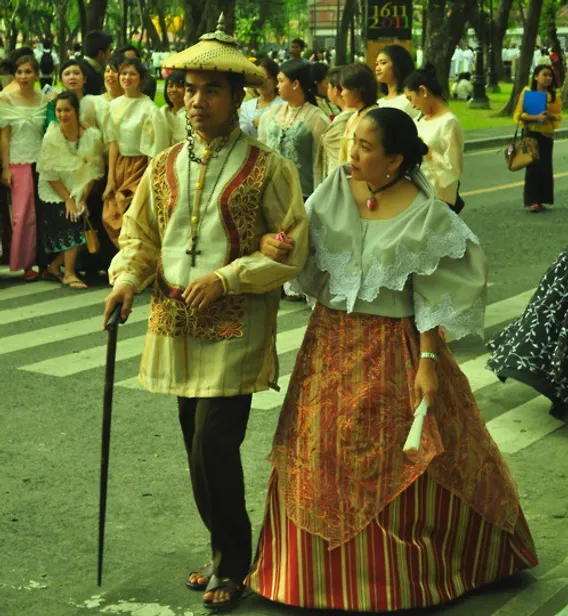
Filipino culture is a unique blend of indigenous practices, colonial influences, and modern adaptations, making it one of the most diverse and fascinating cultures in the world. Its essence lies in the people’s strong sense of community, unwavering faith, and deep-rooted respect for family and tradition. In this blog, we will explore the multifaceted aspects of Filipino culture, from its history and traditions to its food, festivals, and values. The Philippines, an archipelago of over 7,000 islands in Southeast Asia, is a country brimming with vibrant traditions, warm hospitality, and a rich cultural heritage. Filipino culture is a product of centuries of cultural amalgamation.
Recent Posts
- Jessica Sanchez Triumphs on America’s Got Talent, Shares Emotional Moment
- Comprehensive Reviews and Ratings of Best Egg Loans
- Discover Carlo Acutis: The Catholic Church’s Inspiring Millennial Saint
- Comprehensive EverBank Reviews and Ratings: What You Need to Know
- Trump’s $100,000 Fee for H-1B Visas: Immigration Impact Explained
Categories
Before the arrival of colonizers, the indigenous peoples of the Philippines already had their own rich traditions, languages, and belief systems. Early Filipinos were animists, worshipping nature and ancestral spirits, and their societies were organized into barangays (small communities). Trade with neighboring countries such as China, India, and Malaysia also introduced new elements, including religion, art, and cuisine.
The arrival of Spanish colonizers in the 16th century had a profound impact on Filipino culture. For over 300 years, the Philippines was under Spanish rule, which brought Catholicism, European architecture, and a patriarchal social structure. This era also shaped the Filipino language, with many Spanish words integrated into Tagalog and other local dialects. Following Spain, the United States colonized the Philippines in the late 19th and early 20th centuries, introducing English, Western education, and modern democratic ideals. These layers of influence, combined with the resilience of indigenous traditions, have created the complex and dynamic culture that defines the Philippines today.
Family: The Heart of Filipino Culture
At the core of Filipino culture is the family. Filipinos are known for their close-knit family ties, which often extend beyond the nuclear family to include grandparents, aunts, uncles, cousins, and even close friends who are considered family. The Filipino concept of “utang na loob” (a debt of gratitude) underscores the importance of familial loyalty and mutual support. This value is deeply ingrained in Filipino society, where individuals prioritize the welfare of their family above all else.
In Filipino households, it is common for several generations to live under one roof. Elders are highly respected, and children are taught to address them with honorifics like “po” and “opo” to show respect. Family gatherings are frequent and often revolve around food, celebrations, and storytelling. Whether it’s a simple Sunday lunch or a grand fiesta, the Filipino family is always at the center of the occasion.
Faith and Religion
Religion plays a significant role in Filipino culture, with approximately 86% of the population identifying as Roman Catholic. This strong Catholic influence stems from over three centuries of Spanish colonization. Churches are not only places of worship but also serve as community hubs where people gather, celebrate, and find solace.
Religious festivals and practices are deeply embedded in Filipino life. One of the most iconic celebrations is the Sinulog Festival in Cebu, which honors the Santo Niño (Child Jesus) with vibrant street parades and traditional dances. Similarly, the Ati-Atihan Festival in Kalibo and the Pahiyas Festival in Lucban showcase the Filipinos’ devotion and gratitude through colorful displays, music, and dance.
Aside from Catholicism, other religions such as Islam, Protestantism, and indigenous beliefs are practiced in the Philippines. The southern region of Mindanao, for instance, is predominantly Muslim, and its culture reflects a rich tapestry of Islamic traditions. Despite religious diversity, Filipinos are generally tolerant and respectful of each other’s beliefs, embodying the value of bayanihan (communal unity).
Hospitality and Warmth
Filipinos are globally renowned for their hospitality and warmth. Visitors to the Philippines often remark on how easily they feel at home, thanks to the genuine kindness and generosity of the people. This hospitality is deeply rooted in Filipino culture and is expressed in various ways, from offering food and shelter to strangers to going out of one’s way to make guests comfortable.
The Filipino phrase “Huwag kang mahiya” (Don’t be shy) is often heard during gatherings, as hosts encourage their guests to eat and enjoy themselves. This sense of inclusivity and care extends beyond personal interactions; it is also evident in the country’s tourism industry, where locals take pride in showcasing the beauty of their homeland to visitors.
Festivals: A Celebration of Life
The Philippines is often called the “Land of Festivals” because of its numerous celebrations throughout the year. These festivals are a testament to the Filipinos’ love for life, community, and tradition. Each region has its own unique festivities, often tied to religious or historical events.
One of the most famous festivals is the Pintados Festival in Leyte, where participants paint their bodies to mimic the ancient tattoo designs of the early Filipinos. The MassKara Festival in Bacolod City is another crowd favorite, featuring vibrant masks and costumes that symbolize the resilience and optimism of the Bacolodnons during challenging times.
Christmas in the Philippines is another cultural highlight. Known as the longest Christmas season in the world, celebrations begin as early as September and last until January. Filipinos decorate their homes with parols (star-shaped lanterns), attend Simbang Gabi (a series of dawn Masses), and gather for Noche Buena (a festive Christmas Eve feast). The joy and warmth of the Filipino Christmas season reflect the people’s deep faith and love for family.
Filipino Cuisine: A Culinary Adventure
Filipino cuisine is a delicious reflection of the country’s diverse cultural influences. Combining indigenous ingredients with Spanish, Chinese, and American flavors, Filipino dishes are hearty, flavorful, and deeply satisfying.
Staples like adobo (meat marinated in vinegar, soy sauce, and spices), sinigang (a sour tamarind-based soup), and lechon (roast pig) are must-tries for anyone visiting the Philippines. Rice is a central part of every meal, often accompanied by a variety of ulam (viands). Street food, such as isaw (grilled chicken intestines), balut (fertilized duck egg), and taho (sweet tofu with syrup), offers a more adventurous take on Filipino flavors.
Desserts and snacks are also an integral part of Filipino cuisine. Halo-halo, a colorful mix of shaved ice, sweetened fruits, and milk, is a popular treat during the summer. Meanwhile, kakanin (rice cakes) like bibingka and puto are staples during holidays and special occasions.
Language and Communication
The Philippines is a linguistically diverse country, with over 170 languages spoken across its islands. Filipino (based on Tagalog) and English are the official languages, making the Philippines one of the largest English-speaking nations in the world. This bilingualism is a result of American colonization and has greatly influenced Filipino culture, particularly in education, media, and business.
Filipinos are known for their expressive and adaptive communication style. They often use humor, non-verbal cues, and colloquial expressions to connect with others. The concept of “pakikisama” (getting along) highlights the Filipino value of maintaining harmony and avoiding conflict in social interactions.
Arts, Music, and Dance
Filipino culture is rich in artistic expression, from traditional crafts to contemporary art. Indigenous weaving, pottery, and wood carving are still practiced in various regions, preserving the craftsmanship of early Filipinos. Modern Filipino artists, such as Juan Luna and Fernando Amorsolo, have also gained international recognition for their works.
Music and dance are integral to Filipino culture. Traditional dances like the tinikling (a bamboo dance) and singkil (a Maranao royal dance) showcase the country’s indigenous heritage. Contemporary music, from kundiman (traditional love songs) to OPM (Original Pilipino Music), reflects the evolving tastes and creativity of the Filipino people.
Resilience and Adaptability
Perhaps one of the most defining traits of Filipino culture is resilience. The Philippines is no stranger to natural disasters, economic challenges, and political upheavals, yet its people remain optimistic and resourceful. This resilience is often referred to as the “Filipino spirit”, a quality that enables them to rise above adversity with a smile and unwavering hope.
Filipinos also have a unique sense of humor, often using jokes and laughter as a way to cope with life’s difficulties. This positivity, combined with their strong sense of community and faith, makes the Filipino people truly remarkable.
Conclusion
Filipino culture is a beautiful mosaic of tradition, diversity, and resilience. It is a culture that values family, faith, and community, while embracing change and innovation. From its colorful festivals and mouthwatering cuisine to its warm hospitality and enduring spirit, the Philippines offers a cultural experience that is both enriching and unforgettable. To truly understand and appreciate Filipino culture is to witness the heart and soul of its people—a people who, despite challenges, continue to celebrate life with joy, generosity, and unwavering hope.