


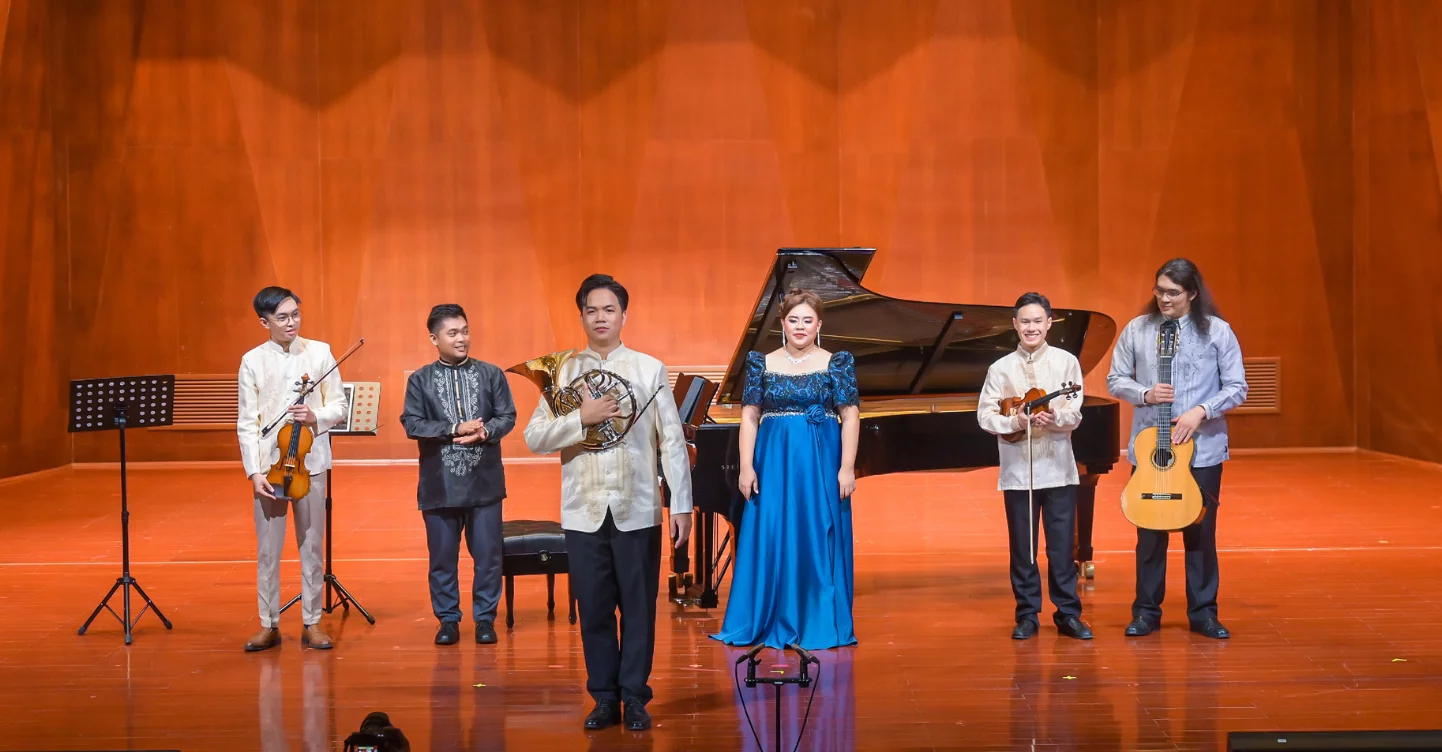

Shaping the Future of Arts and Culture
The Philippines is a country rich in culture and artistic expression, with a vibrant history of performance arts that spans generations. In recent years, a new wave of young Filipino performance artists has emerged, bringing fresh perspectives and innovative ideas to the stage. This blog will explore the world of young Filipino performance artists, their contributions to the arts, and the impact they have on the cultural landscape of the Philippines and beyond.
A New Generation of Talent
Young Filipino performance artists are redefining the boundaries of traditional art forms, incorporating contemporary themes and techniques into their work.
This new generation is characterized by their passion, creativity, and willingness to experiment with various mediums, including theater, dance, spoken word, and multimedia performances.
Cultural Influences
The cultural landscape of the Philippines is diverse, influenced by indigenous traditions, colonial history, and modern global trends. Young performance artists draw inspiration from this rich tapestry, blending traditional Filipino elements with contemporary styles to create unique and compelling performances. This fusion not only showcases their artistic talents but also highlights the importance of cultural heritage in their work.
Sponsored:


Notable Young Filipino Performance Artists
- Janna De Guzman
Janna De Guzman is a rising star in the Philippine theater scene, known for her powerful performances and commitment to social issues. As a member of a prominent theater group, she has taken on challenging roles that address topics such as gender equality, mental health, and environmental awareness. Janna’s ability to connect with audiences through her performances has made her a sought-after artist in the industry.
- John Paul “JP” Cañete
JP Cañete is a talented dancer and choreographer who has gained recognition for his innovative choreography and dynamic performances. He blends traditional Filipino dance forms with contemporary styles, creating a unique fusion that captivates audiences. JP’s work often explores themes of identity, culture, and social justice, making him a powerful voice in the dance community.
- Kiko Matos
Kiko Matos is a multi-talented performance artist known for his work in theater, film, and music. His performances often challenge societal norms and provoke thought, addressing issues such as mental health, sexuality, and personal identity. Kiko’s versatility as an artist allows him to connect with diverse audiences, making him a prominent figure in the Philippine arts scene.
- Rhea Mae Dela Cruz
Rhea Mae Dela Cruz is a spoken word artist and poet who uses her platform to address social issues and empower marginalized voices. Her performances are characterized by their emotional depth and authenticity, resonating with audiences on a personal level. Rhea Mae’s work has garnered attention both locally and internationally, as she continues to inspire others through her art.

The Impact of Young Filipino Performance Artists
- Cultural Representation
Young Filipino performance artists play a crucial role in representing the diverse voices and experiences of the Filipino people. Through their work, they bring attention to important social issues and cultural narratives that may otherwise go unnoticed. This representation fosters a greater understanding of Filipino culture and identity, both locally and globally.
- Advocacy and Social Change
Many young performance artists use their art as a tool for advocacy, addressing pressing social issues such as poverty, inequality, and environmental degradation. By raising awareness through their performances, they inspire audiences to take action and engage in meaningful conversations about these topics. Their commitment to social change demonstrates the power of art as a catalyst for progress.
- Inspiring Future Generations
The work of young Filipino performance artists serves as an inspiration for future generations of artists. By pushing the boundaries of traditional art forms and exploring new themes, they encourage young people to express themselves creatively and pursue their passions. This legacy of artistic innovation and social consciousness will continue to shape the future of the Philippine arts scene.
Challenges Faced by Young Filipino Performance Artists
- Limited Funding and Resources
One of the significant challenges faced by young performance artists in the Philippines is the lack of funding and resources for their projects. Many artists rely on grants, sponsorships, and crowdfunding to support their work, which can be a daunting task. This financial barrier can limit their ability to create and showcase their art.
- Cultural Expectations
Young Filipino performance artists often grapple with cultural expectations and traditional norms that may not align with their artistic vision. Balancing the desire to honor cultural heritage while exploring contemporary themes can be challenging. However, many artists find ways to navigate these expectations and create work that resonates with both traditional and modern audiences.
- Competition in the Arts Scene
The Philippine arts scene is highly competitive, with many talented individuals vying for recognition and opportunities. Young performance artists must continuously hone their skills and find unique ways to stand out in a crowded field. This competition can be both motivating and daunting, pushing artists to innovate and evolve.
Supporting Young Filipino Performance Artists
- Community Engagement
Supporting young performance artists involves fostering a sense of community and collaboration. Artists can benefit from networking opportunities, mentorship programs, and workshops that allow them to connect with established professionals in the industry. Building a supportive community can help young artists thrive and develop their craft.
- Funding and Grants
Increased funding and grant opportunities for young performance artists can significantly impact their ability to create and showcase their work. Organizations, government agencies, and private sponsors can play a vital role in providing financial support for artistic projects, allowing artists to focus on their creativity without the burden of financial constraints.
- Promoting Arts Education
Investing in arts education at all levels is essential for nurturing the next generation of performance artists. Schools and community organizations can offer programs that encourage creativity, critical thinking, and artistic expression. By providing access to arts education, we can empower young people to explore their talents and pursue careers in the arts.
Conclusion
Young Filipino performance artists are at the forefront of a cultural renaissance, bringing fresh perspectives and innovative ideas to the stage. Their contributions to the arts not only enrich the cultural landscape of the Philippines but also inspire future generations to pursue their passions and advocate for social change. By supporting these talented individuals and recognizing their impact, we can help shape a vibrant and inclusive arts community that celebrates the diverse voices of the Filipino people. As we look to the future, let us continue to uplift and empower young performance artists, ensuring that their stories and talents are heard and celebrated.

Recent Posts
Archives
Meta
Categories
Meta
Advertisment


